
Rob Bought His Dream Sailboat. Then He Found the Rudder Was Rotten.
⏱ Time to Complete: 2 months of restoration
🔧 Tools Used: Mill, CNC Router, Welding Equipment, Fiberglass
💡 Key Learning: You don't need to know how before you start. You figure it out as you go.
🎯 Skill Level: Experienced boater, new to fabrication
📍 Location: Norfolk
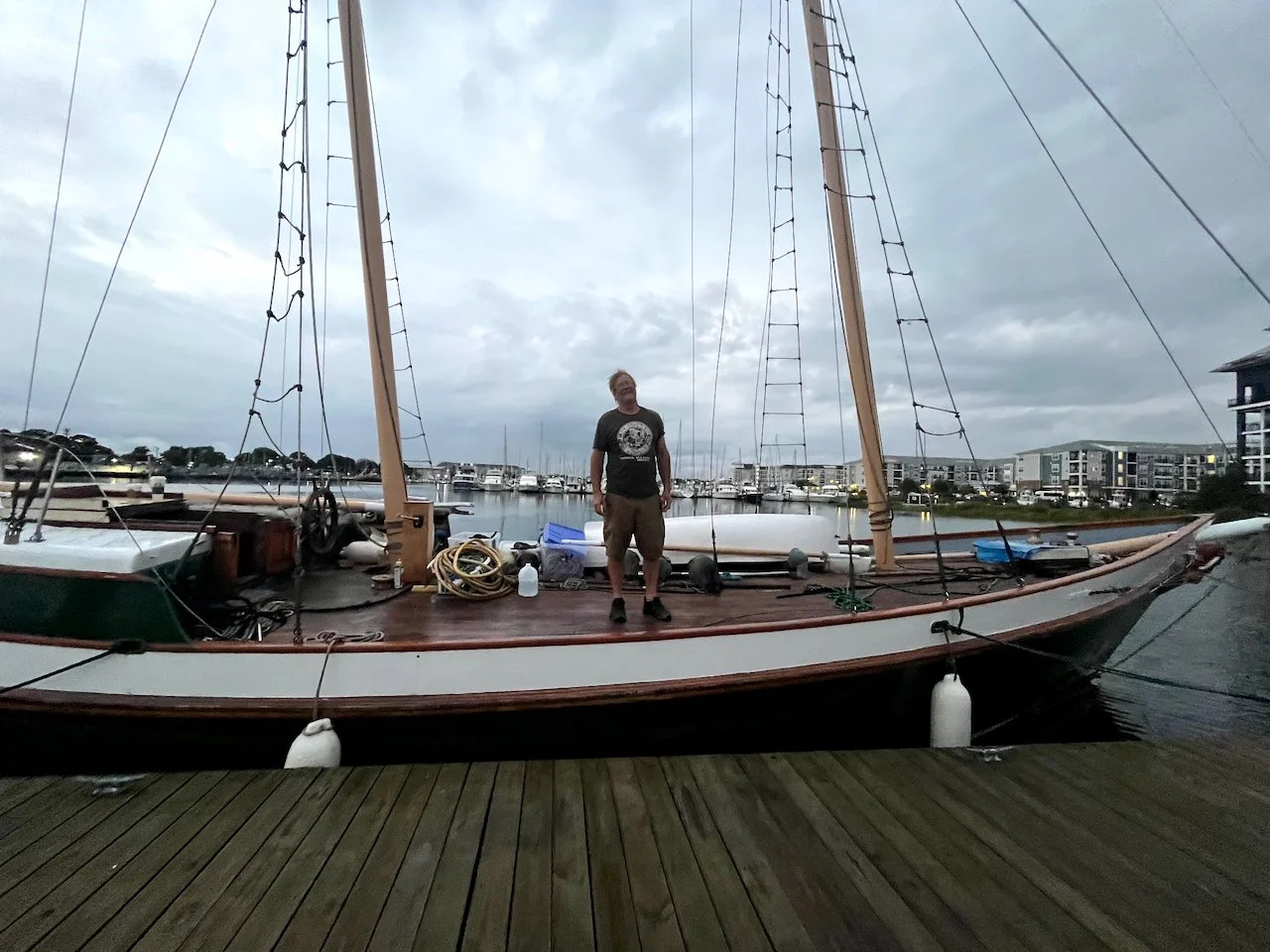
Rob and his dream sailboat, ready to sail after months of restoration work.
The Problem
Rob bought his dream sailboat and started restoration work. When he pulled the rudder to inspect it, he found it was destroyed. The wood was rotting from the inside out. A simple repair wasn't going to work.
Most boat owners would order a replacement rudder and wait months for a custom part to arrive. Or pay a boatyard thousands of dollars to fabricate a new one.
Rob brought the rudder to 757 Makerspace to see what was possible.
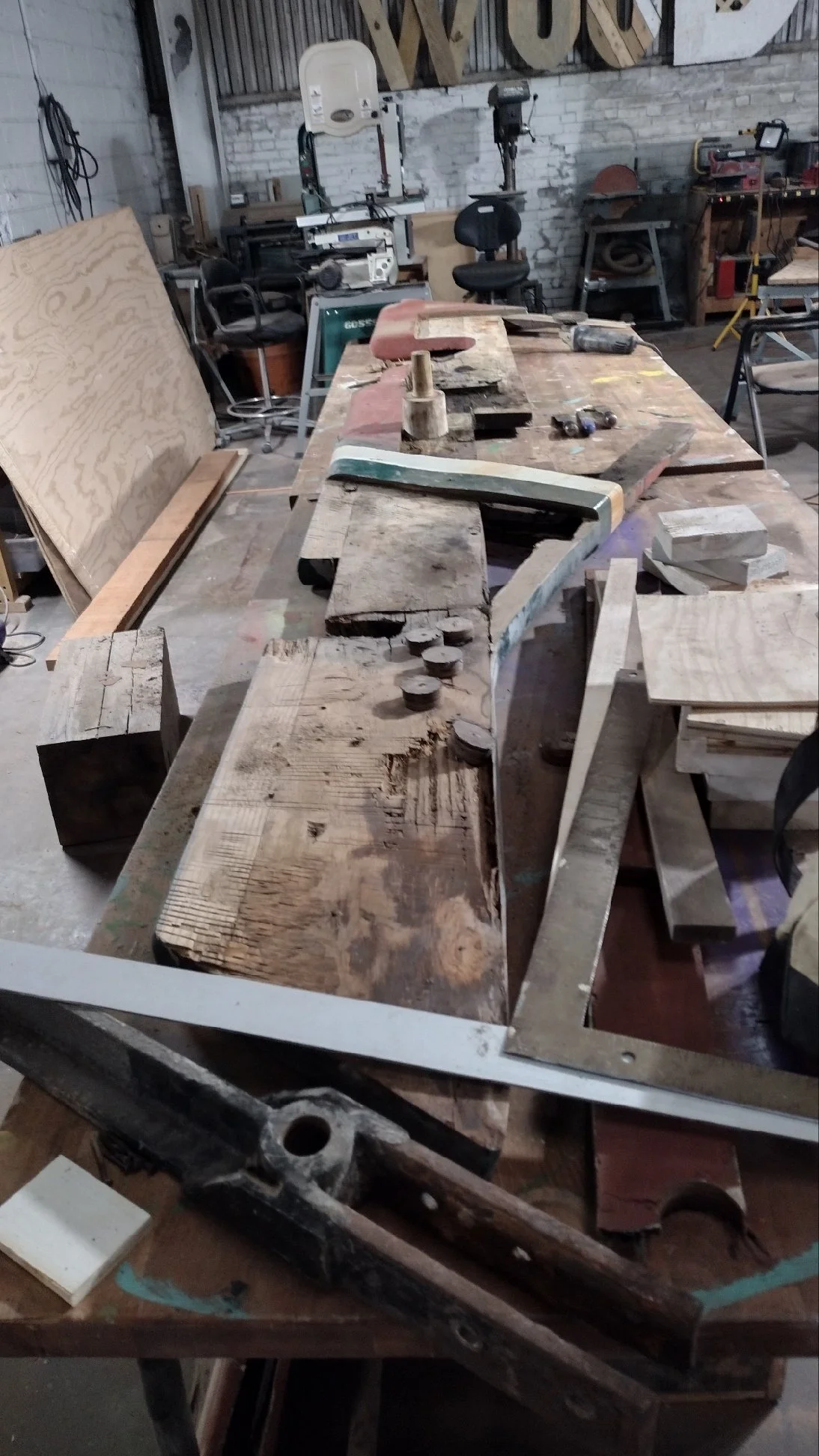
The original rudder after Rob removed it; rotted wood and corroded metal meant a simple repair wasn't possible.
The Solution
Rob didn't just want to replace the rudder. He wanted to make it better. Lighter. Stronger. More durable than the original.
He started by taking the rudder completely apart to understand how it was built. After understanding the original design, he redesigned it using multiple materials and processes and to make it last thru the life of the vessel.
Metalwork for the structural rigidity and weight. Woodwork for the core and fill. CNC machining to shape complex curves. Fiberglass layup for the outer shell and waterproofing.
Each step required tools he didn't own and skills he continues to learn and adapt. But he had access to the equipment, space to work through problems, and people around him who'd done similar projects before.
Rob built, tested, adjusted, and rebuilt until he got it right.
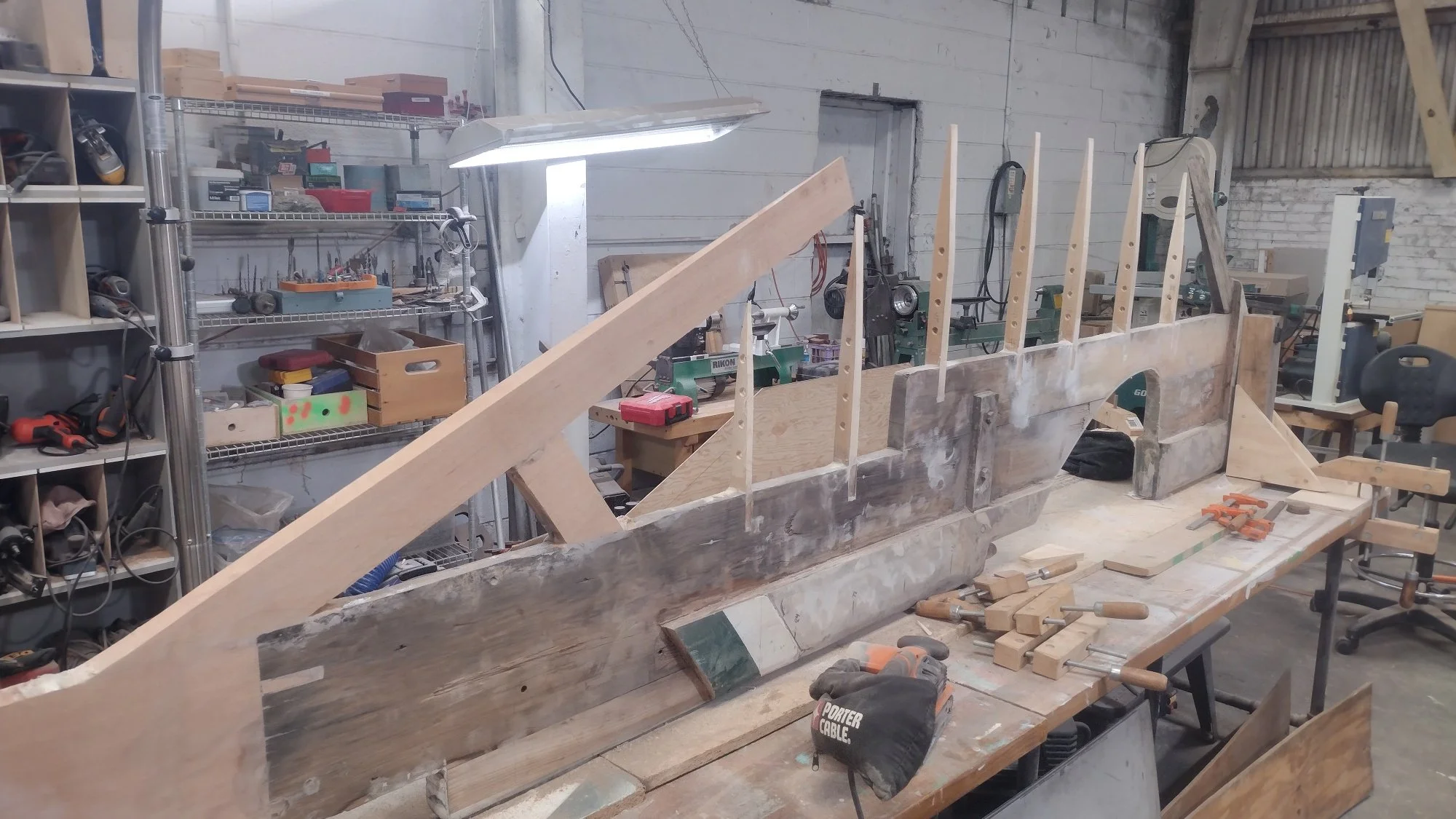
Rebuilding the rudder frame using CNC-cut wood pieces.
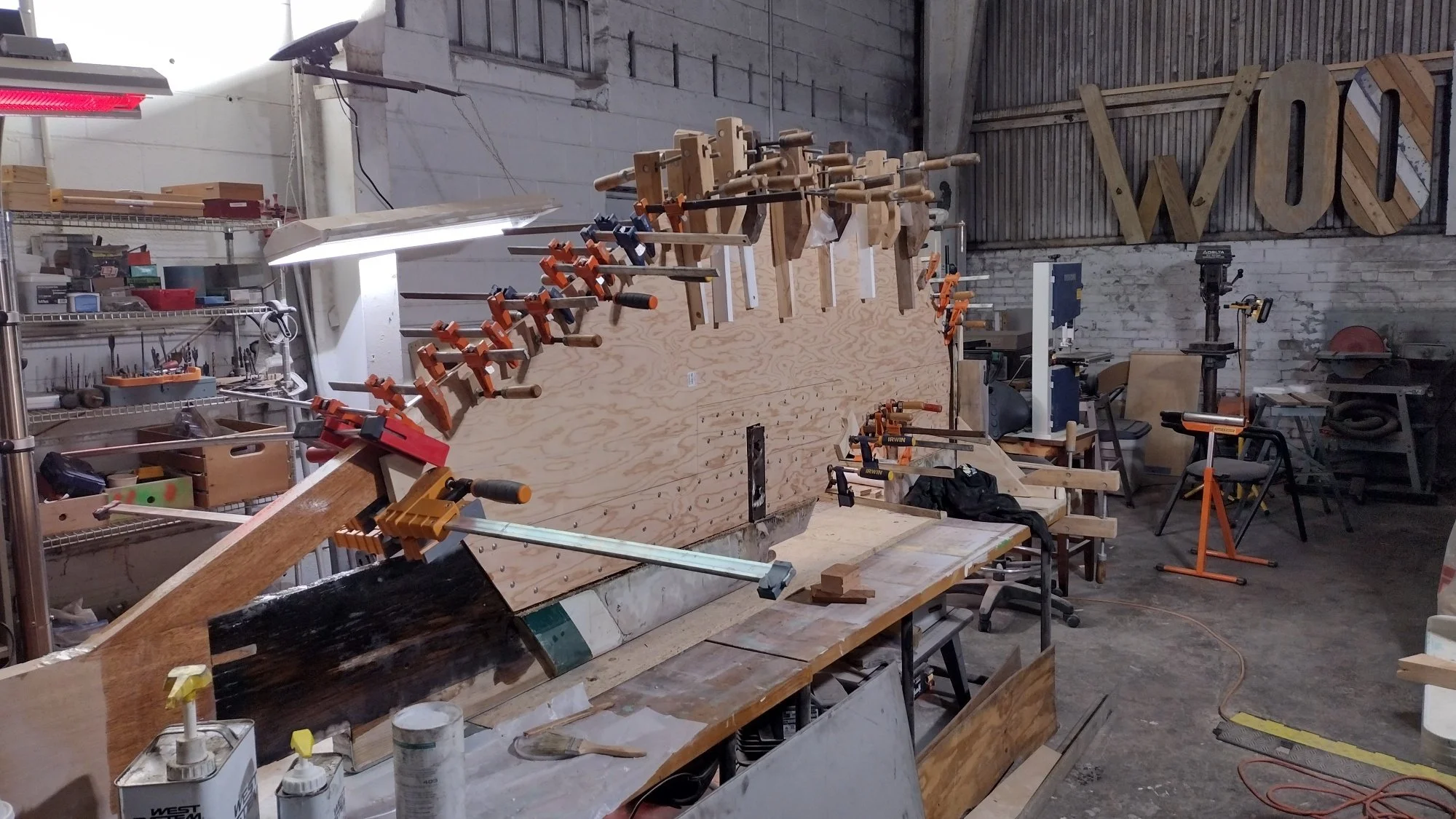
Rebuilding the rudder frame using CNC-cut wood pieces, assembled and clamped in the 757 Makerspace woodshop
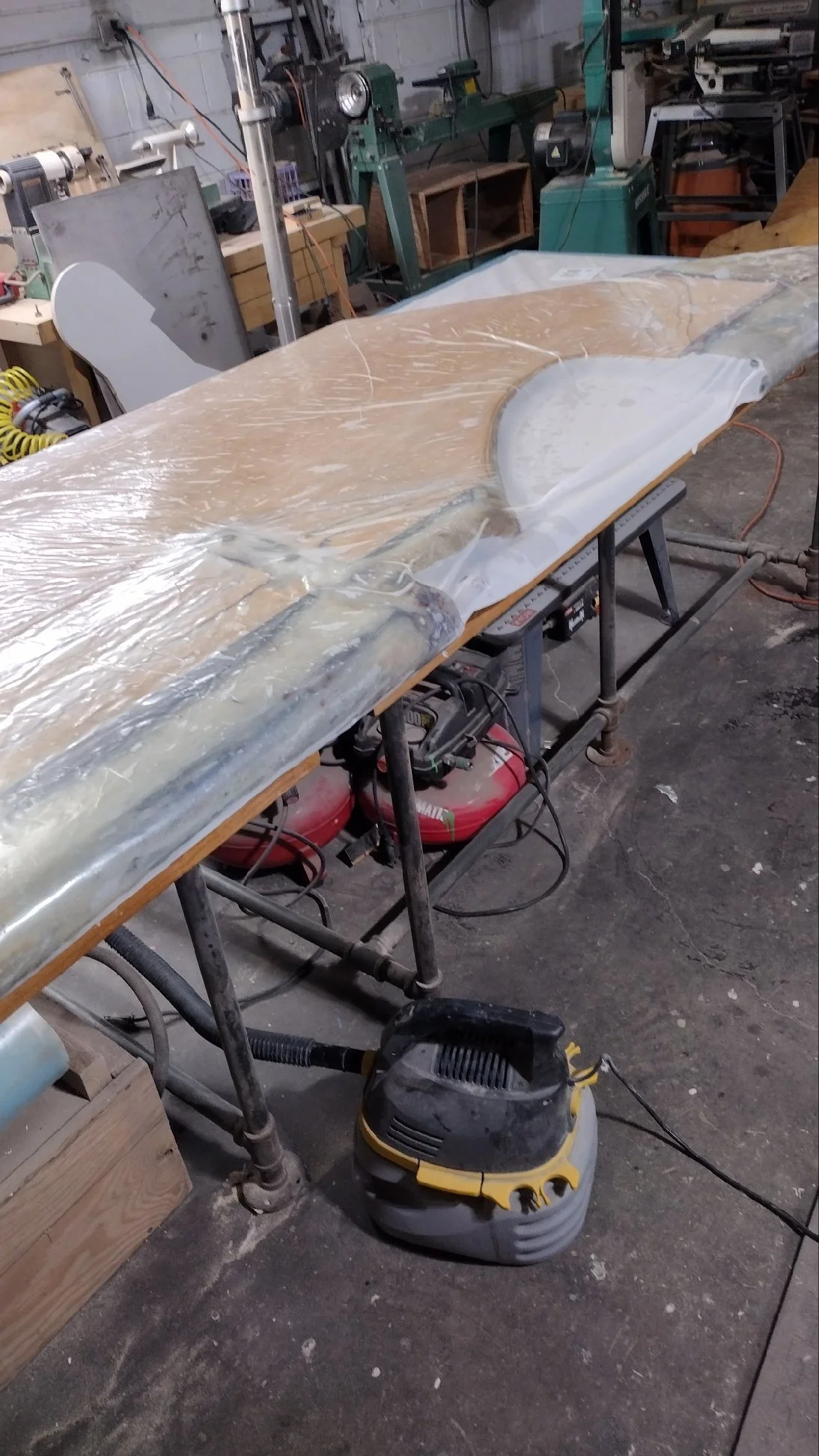
Applying fiberglass to the rebuilt rudder combining traditional boatbuilding techniques with modern fabrication
The Outcome
The finished rudder is better than the original. Lighter, stronger, and built to last decades.
Rob's sailboat is back in the water and ready to sail.
Here's what made it possible:
Access to specialized equipment. A mill for metalwork. A CNC router for precise shaping. Welding equipment. Fiberglass supplies and workspace. Rob didn't own any of it. He didn't need to.
Space to work on a big, messy project. You can't rebuild a sailboat rudder in your garage. You need room to spread out, test, fail, and try again.
People who'd solved similar problems. When Rob hit a roadblock, someone in the shop had dealt with it before. Real help. Real solutions.
Rob didn't need to know how to build a rudder before he started. He needed access to the right tools and room to figure it out.
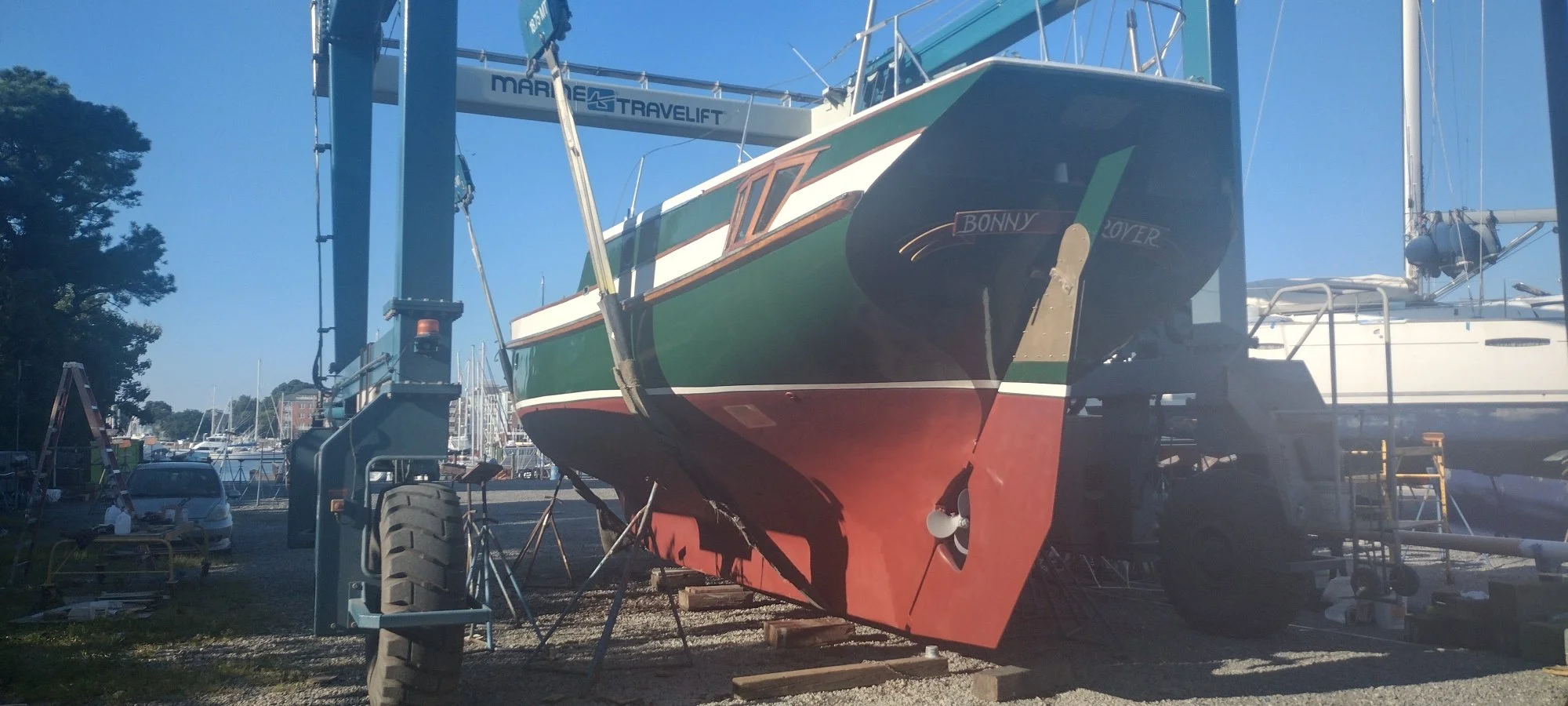
The Bonny Rover back in the water with Rob's custom-rebuilt rudder installed: lighter, stronger, and ready for years of sailing
Ready to tackle your project?
If you have something you want to build but don't know how yet, let's talk.
👉 Schedule Your Free Tour we’ll show you the tools, talk through your project, and have an honest conversation about whether we’re the right fit.